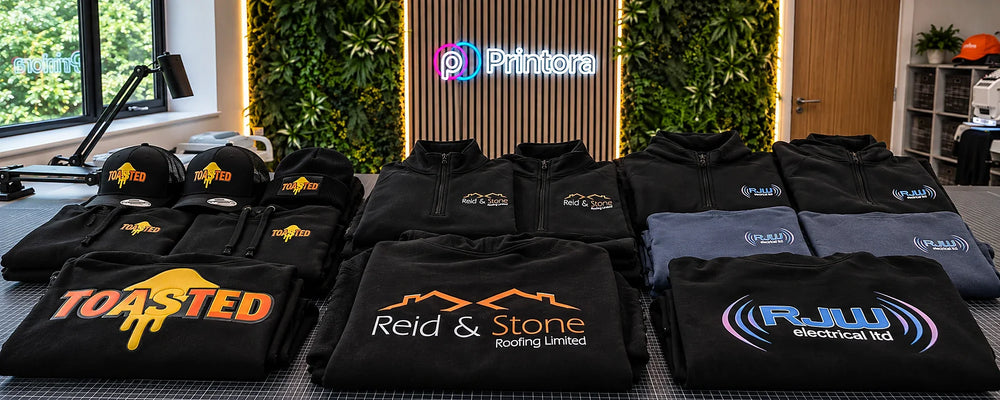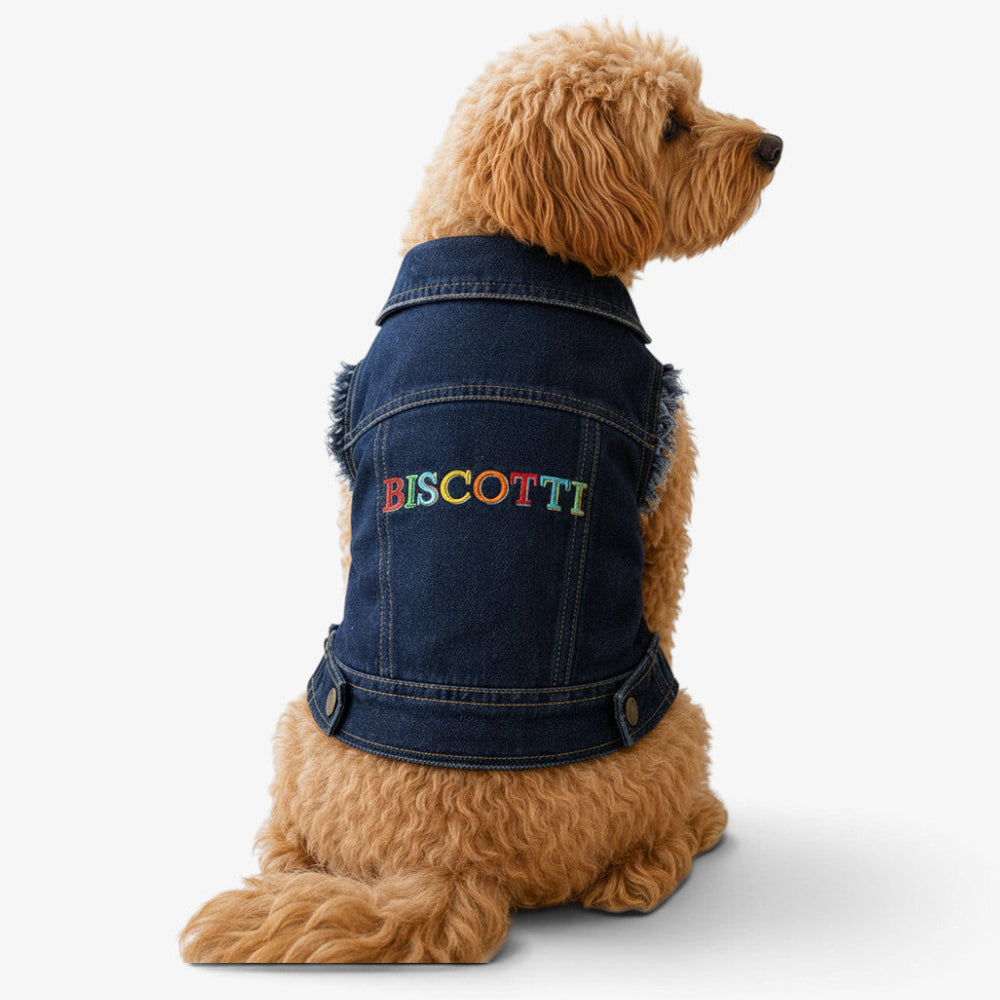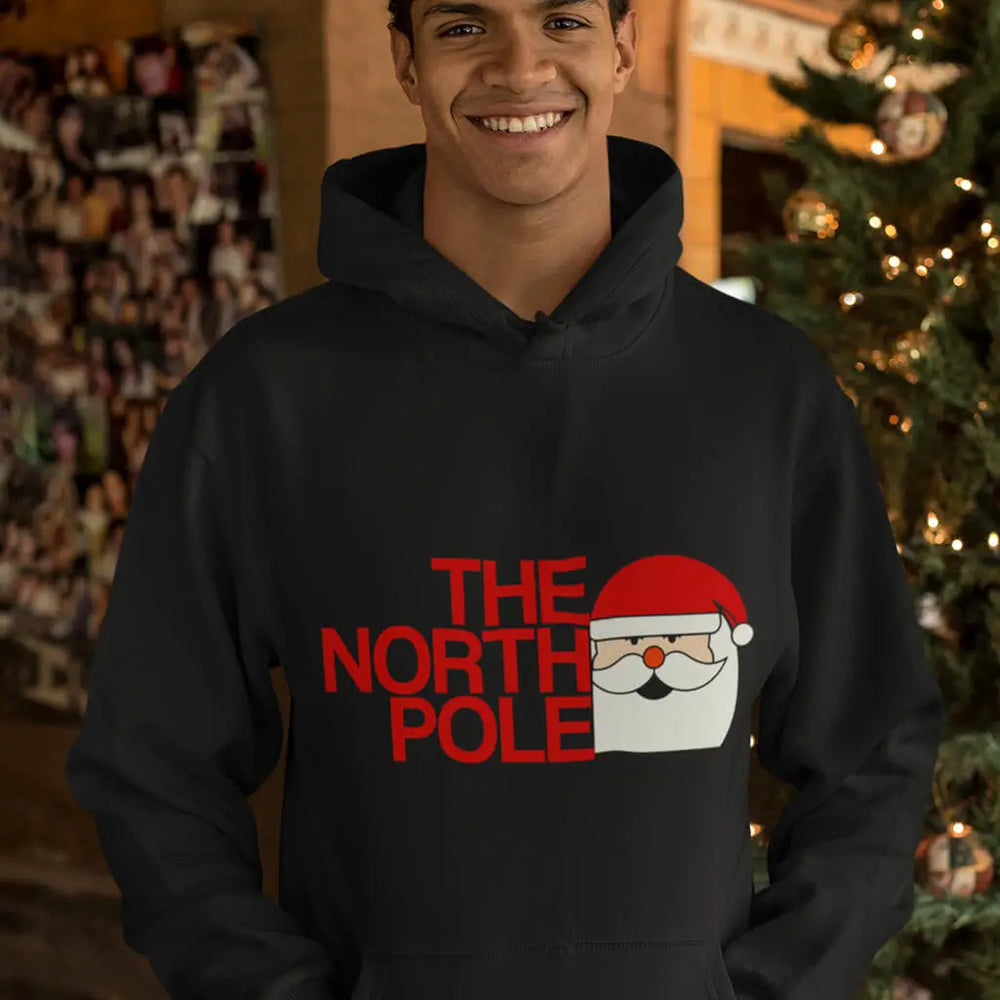

When you need custom clothing for a business, team, event or brand, the finish matters just as much as the garment itself. A sharp logo, accurate placement and the right decoration method can turn a plain T-shirt, polo, hoodie or jacket into clothing that looks considered and professional.
For customers searching for printing in Coleshill, garment printing in Birmingham, DTF printing or embroidery, it helps to understand the difference between the main options before choosing. At Printora UK, the focus is on matching the decoration method to the garment and the job rather than treating every order the same way.
Local garment printing for Coleshill and the wider Birmingham area
Coleshill sits close to a large network of businesses, trades, clubs, schools, hospitality teams and growing brands across the Birmingham area. That creates demand for much more than simple printed T-shirts. Businesses may need branded polos for customer-facing staff, hoodies for site teams, embroidered layers for a smarter uniform, or full-colour prints for promotional clothing and events.
A good garment-printing job starts with three things: the garment, the artwork and the intended use. A design that looks excellent as a full-colour DTF print may be better simplified for embroidery, while a small chest logo that needs to withstand repeated wear may suit embroidery perfectly. Choosing the correct method at the start normally gives a cleaner result.
What is DTF printing?
DTF printing stands for Direct to Film printing. The artwork is printed onto a specialist film and then transferred onto the garment using heat and pressure. It is a versatile option for detailed graphics, multiple colours, gradients and artwork that would be difficult to reproduce with traditional cut vinyl.
DTF is especially useful when a design contains fine detail or several colours. It can work well for:
- Custom T-shirts and hoodies
- Front, back or sleeve prints
- Company logos with several colours
- Promotional clothing and event garments
- Creative graphics for brands and merchandise
- Names, roles or other personalised details
For businesses searching for DTF printing in Coleshill or Birmingham, the main advantage is flexibility. The process allows detailed artwork to be applied to a wide range of suitable garments without forcing every design into a one-colour format.
How Printora prepares DTF transfers
Printora works to a standard DTF print width of 300mm. For the cleanest result, send the highest-quality artwork you have, ideally around 300 DPI at the intended print size. Artwork is checked before printing and, if a file needs rebuilding, background removal or other design work, that can be quoted separately before production.
Standard orders normally need around 2–3 working days for preparation before dispatch, although we always try to complete work sooner where possible. Larger jobs can take longer and we will contact you if extra production time is needed.
Our DTF transfers use a warm-peel process. After pressing, allow the transfer a few seconds before peeling. DTF works well on many heat-safe fabrics including cotton, polyester, poly-cotton and spandex. Avoid applying transfers to plastics or other materials that can melt, distort or react badly to heat.
When embroidery is the better choice
Embroidery creates the logo using thread rather than ink or a transfer. It gives a textured, premium finish and is particularly popular for uniforms and workwear where the logo needs to look smart and established.
Typical embroidery applications include:
- Left-chest company logos on polos and sweatshirts
- Branding on work jackets, fleeces and outerwear
- Staff uniforms for customer-facing teams
- Names or job roles
- Club, organisation and team clothing
Not every logo should be embroidered exactly as it appears on a screen. Very small text, ultra-fine lines and complex gradients may need to be simplified so the stitched version remains clear. That is why artwork preparation is an important part of professional embroidery.
Printed and embroidered workwear
Branded workwear gives a team a consistent appearance while helping customers identify who they are dealing with. Depending on the job, a uniform can include polos, T-shirts, sweatshirts, hoodies, jackets and other work garments, with branding applied by print, embroidery or a combination of both.
For example, a small embroidered chest logo can give a smart everyday finish, while a larger DTF print across the back can provide stronger visibility for a company name or message. Using more than one decoration method can make sense when each placement has a different job to do.
DTF printing vs embroidery: which should you choose?
| Requirement | DTF printing | Embroidery |
|---|---|---|
| Detailed, full-colour artwork | Excellent choice | May need simplifying |
| Small professional chest logo | Good option | Excellent choice |
| Large back graphic | Usually well suited | Can become heavy or expensive |
| Premium textured finish | Smooth printed finish | Excellent choice |
| Gradients or photographic detail | Well suited | Limited by stitch interpretation |
| Work polos, fleeces and jackets | Depends on garment and placement | Very popular |
There is no single method that is automatically best. The right choice depends on the fabric, placement, design complexity, size and how the garment will be used.
Choosing the right garment for your print or embroidery
The blank garment is the foundation of the finished product. A promotional T-shirt has different requirements from a work polo that is worn several times a week, and a heavyweight hoodie may need a different decoration approach from a lightweight top.
Before ordering, think about:
- Use: Is the garment for daily work, an event, staff uniform or merchandise?
- Fabric: Different materials respond differently to heat, pressure and stitching.
- Fit: A consistent size range matters when clothing a team.
- Logo position: Left chest, centre chest, back and sleeves all create a different look.
- Colour contrast: The logo should remain clear against the garment colour.
- Wear and washing: Decoration and garment choice should suit how often the clothing will be used.
How to prepare a logo for garment printing
Good source artwork makes it easier to produce a clean result. Where possible, provide the clearest and highest-quality version of your logo available. Vector artwork is useful because it can be resized without losing sharpness, while high-resolution raster artwork can also work well when it is supplied at the correct size and resolution.
Avoid using a small screenshot if a proper artwork file exists. Fine details that look acceptable on a phone screen can become obvious once enlarged. If your file is not print-ready, Printora can advise on what needs changing and can quote separately for artwork fixing or redesign work where required.
Local collection from Printora in Coleshill
Customers can arrange to collect completed orders from Printora in Coleshill. Please contact us before travelling so we can confirm that your order is ready. Our normal opening hours are 9:00am–5:30pm Monday to Thursday and 9:00am–4:30pm on Friday.
We also supply customers across the UK, so you can order online whether you are local to Birmingham or further afield.
Frequently asked questions about printing in Coleshill and Birmingham
What is the best printing method for a multi-colour logo?
DTF is often a strong option for multi-colour logos, gradients and detailed artwork. The final choice still depends on the garment material, print size and placement.
Is embroidery better than print for workwear?
Embroidery is popular for workwear because it gives a smart, textured finish, particularly on polos, sweatshirts, fleeces and jackets. Print can be better for larger designs, detailed graphics or prominent back branding.
Can the same logo be printed and embroidered?
Often, yes. However, the embroidery version may need small adjustments so fine lines and tiny text remain readable when converted into stitches.
What garments can be personalised?
Common options include T-shirts, polos, hoodies, sweatshirts, jackets and suitable workwear. The best decoration method depends on the individual garment and its fabric construction.
Should I choose a left-chest logo or a large back print?
For uniforms, a left-chest logo gives a subtle professional look. A larger back print provides stronger visibility. Many businesses use both when they want smart front branding and a more visible company identity from behind.
Looking for printing, DTF or embroidery in Coleshill?
If you are planning branded clothing for a business, team, event or project in Coleshill or the wider Birmingham area, start with the garment and the result you want to achieve. Printora UK can help you compare DTF printing, embroidery and workwear branding so the finished clothing suits the design as well as its day-to-day use.
For ready-to-press prints, browse our DTF transfers and DTF gang sheets. For finished garments, see workwear printing and embroidery or our wider custom clothing range.
Get in touch with your artwork and garment requirements and we can help you choose the most suitable route.