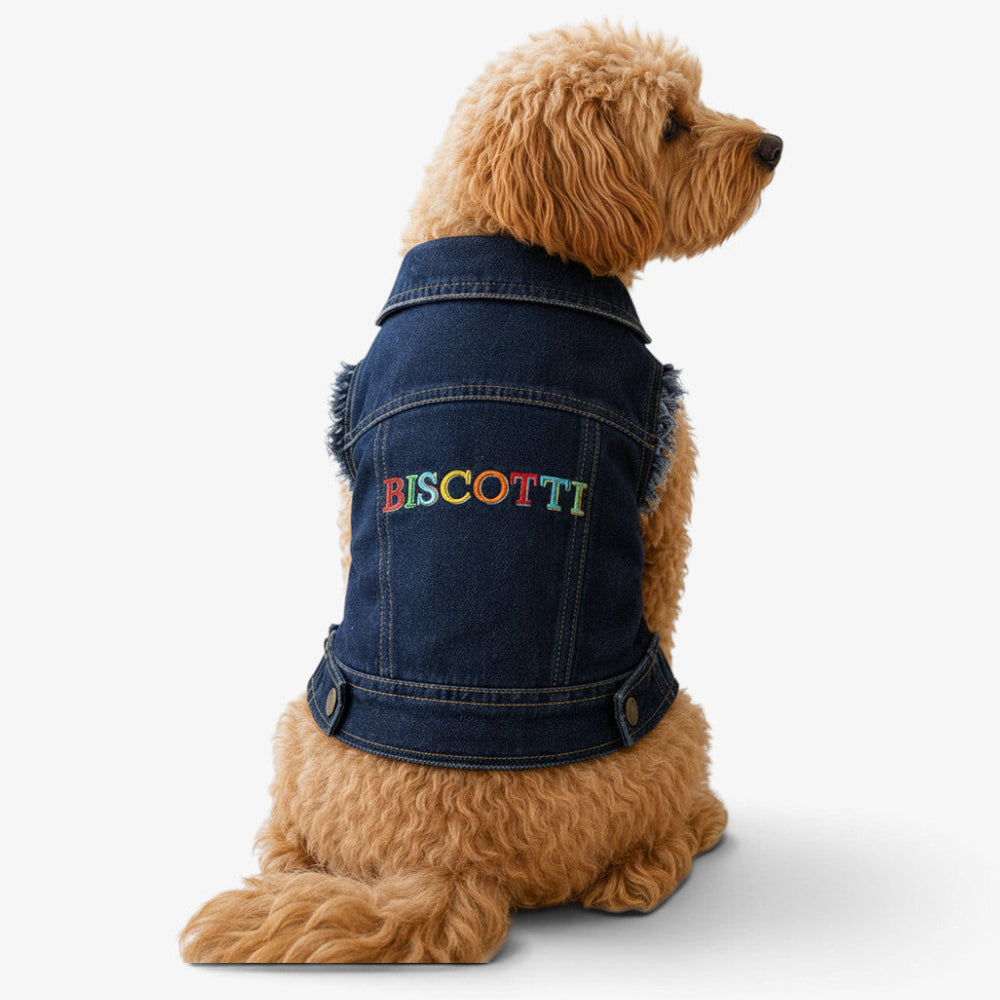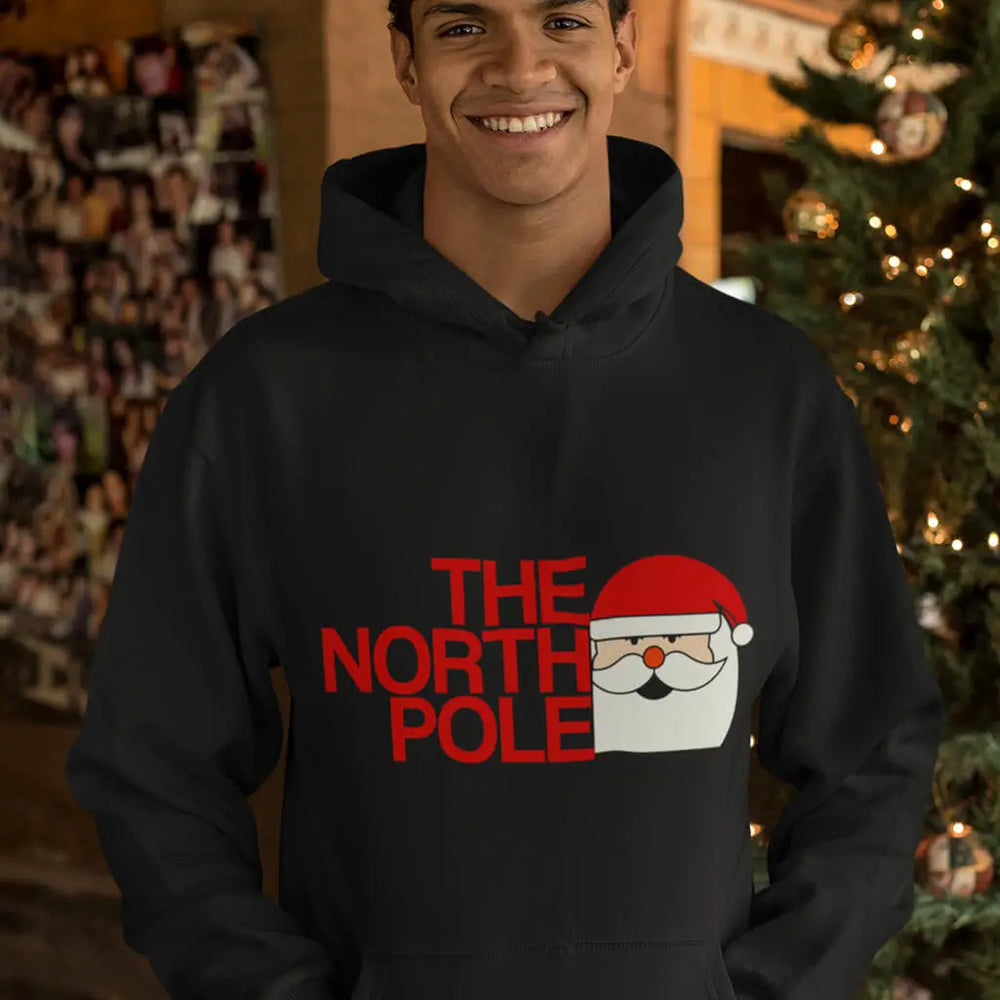

Workwear is more than clothing with a logo added to it. The right uniform helps a team look consistent, makes staff easier to identify and can give customers a stronger first impression of a business. For companies searching for workwear in Coleshill or branded workwear in Birmingham, the best result comes from choosing the garment, branding method and logo placement together.
From embroidered polos and sweatshirts to printed hoodies, jackets and team clothing, there are several ways to build a uniform that works for the people wearing it. This guide explains the main choices and how to decide between embroidery and DTF printing for professional workwear.
What makes good branded workwear?
Good workwear needs to perform two jobs at once: it has to be practical enough for the working day and present the company consistently. A smart logo cannot compensate for an unsuitable garment, and a high-quality garment can still look wrong if the branding is too large, poorly positioned or difficult to read.
When planning branded work clothing, consider:
- Where it will be worn: indoors, outdoors, customer-facing environments or active site work.
- How often it will be used: daily uniforms usually need a different approach from occasional event clothing.
- Layering: staff may need T-shirts or polos underneath sweatshirts, hoodies, fleeces or jackets.
- Brand consistency: logo size, position and garment colours should remain consistent across the team.
- Visibility: a small chest logo is subtle, while larger back branding can make the company easier to identify.
Workwear for businesses in Coleshill and Birmingham
Businesses around Coleshill and the wider Birmingham area cover a huge range of sectors, from trades and engineering to warehousing, offices, hospitality, retail and service teams. That means there is no single uniform that suits every company.
A trade team may favour practical T-shirts, sweatshirts, hoodies and outer layers. A customer-facing business may prefer polos or smarter embroidered garments. Warehouse and logistics teams may need garments chosen around movement, layering and visibility. The most useful workwear range is therefore one built around the actual roles within the business rather than simply ordering the same item for everyone.
Embroidered workwear: a smart, professional finish
Embroidered workwear is a popular choice for company logos because the design is stitched directly into the garment. The result has a textured finish that works particularly well for small or medium-sized branding.
Embroidery is commonly chosen for:
- Polo shirts with a left-chest logo
- Sweatshirts and hoodies
- Fleeces and suitable jackets
- Staff names or job titles
- Uniforms where a premium, understated look is preferred
The strongest embroidery designs are usually clear and not overly intricate. Small lettering and extremely fine detail may need to be adjusted when the artwork is converted into stitches so the finished logo remains readable.
DTF printed workwear: ideal for detailed or larger branding
DTF printing is useful when a workwear design includes several colours, gradients, fine details or a larger graphic. It is particularly effective for T-shirts, hoodies and other suitable garments where the company wants a more visible print.
A common workwear layout is an embroidered or printed logo on the front combined with a larger DTF print on the back. This can provide a neat appearance from the front while making the business name, service or website easier to see from a distance.
Embroidery or print for workwear?
Both methods can produce professional results, but they suit different jobs.
| Workwear requirement | Recommended approach |
|---|---|
| Small chest logo on a polo | Embroidery is a popular premium option |
| Large company branding across the back | DTF printing is often better suited |
| Detailed multi-colour logo | DTF can retain more fine detail |
| Smart fleece or suitable jacket branding | Embroidery is often a strong choice |
| Names or job roles | Either method can work depending on style and garment |
| Full-colour promotional graphic | DTF is usually the more flexible option |
It is also possible to combine the two. A uniform does not have to use only one decoration method across every garment or position.
Choosing the right garments for your team
A strong workwear setup often uses a small number of core garments that can be layered throughout the year. This makes it easier to keep branding consistent and to reorder clothing as the team changes.
Work T-shirts
T-shirts are useful for active roles, warmer environments and layering. They also provide a good surface for larger front or back prints when visibility is important.
Branded polo shirts
Polos give a slightly smarter appearance while remaining practical for everyday wear. A left-chest embroidered logo is a classic choice for customer-facing teams.
Work sweatshirts and hoodies
Sweatshirts and hoodies add warmth and give more space for branding. They can work well with a small logo on the front and larger company branding on the back.
Jackets and outer layers
Outerwear can keep the company identity visible when staff are working outside or travelling between jobs. The correct decoration method depends on the construction and material of the individual garment.
Logo placement: small details that make a big difference
Logo position changes the overall look of the uniform. The most common placements include:
- Left chest: professional and understated, particularly for polos, sweatshirts and jackets.
- Centre chest: more prominent and often suited to casual workwear or branded team clothing.
- Large back: ideal when the business name or service needs to be visible at a distance.
- Sleeve: useful for secondary branding, a web address or additional detail when suitable.
More branding is not always better. A clear, well-sized logo often looks more professional than filling every available space.
How to build a consistent company uniform
If several employees wear different types of garments, consistency becomes important. Decide on a simple branding system before ordering. For example, the same left-chest logo size can be used across polos, sweatshirts and jackets, while T-shirts and hoodies share the same back print.
It is also worth agreeing a core garment colour palette. This helps new starters match the existing team and reduces the chance of a uniform becoming inconsistent over time.
Planning a workwear order
Before sending an order for branded workwear, prepare the information that affects the finished result:
- How many people need clothing
- The sizes required for each garment
- Which roles need which items
- The preferred garment colours
- The company logo in the highest-quality format available
- Preferred print or embroidery positions
- Whether names, departments or job roles need to vary between garments
Thinking through these details early helps avoid ordering unnecessary garments and makes future reorders easier to organise.
Why professional workwear matters
Branded clothing can make a small team look more established and can help larger teams present a consistent identity across different roles. It also reduces the need for employees to decide what to wear each day when a clear uniform standard is in place.
For trades and service businesses, visible branding can help customers recognise the team arriving at a property or site. For retail, hospitality and office-based environments, coordinated uniforms can create a cleaner customer-facing appearance.
Artwork, ordering and local collection
Send the highest-quality version of your company logo or artwork that you have. We check artwork before production and can quote separately if a file needs rebuilding, cleaning up or preparing for print or embroidery.
Printora is based in Coleshill, Birmingham. Local collection can be arranged once your order is ready — please contact us before travelling. Our normal opening hours are 9:00am–5:30pm Monday to Thursday and 9:00am–4:30pm on Friday. We also supply custom workwear to customers across the UK.
Frequently asked questions about workwear in Coleshill and Birmingham
What is the best type of workwear for a small business?
Start with the garments your team will genuinely wear. For many businesses that means a core T-shirt or polo, a warmer sweatshirt or hoodie and an outer layer where needed. The exact mix should follow the working environment and staff roles.
Is embroidery suitable for company logos?
Yes. Embroidery is widely used for company logos, especially on polos, sweatshirts, fleeces and suitable jackets. Very detailed artwork may need simplifying before it is stitched.
Can I have a small logo on the front and a large print on the back?
Yes, that layout is a popular approach for branded workwear. It combines a tidy front appearance with more visible branding on the back.
What is DTF printing used for on workwear?
DTF is useful for detailed, multi-colour or larger graphics on suitable work garments. It can be particularly effective for company names, service information and back prints.
Should every member of staff wear exactly the same garment?
Not necessarily. Different roles may need different garments. A consistent logo, colour palette and placement can keep the team looking coordinated even when the clothing itself varies.
Need branded workwear in Coleshill or Birmingham?
If you are putting together a new company uniform or refreshing existing workwear, focus first on how the clothing will be used and how visible you want the branding to be. Printora UK can help you choose between printed and embroidered workwear and plan branding that fits the garment rather than forcing the same treatment onto every item.
Browse our workwear printing and embroidery collection, explore personalised embroidery, or see our DTF transfers if you want to apply prints yourself.
Get in touch with your logo, garment requirements and team sizes to start planning your branded workwear.