
Embroidery and DTF printing create very different finishes. Neither is automatically better for every job: the right choice depends on the garment, logo, placement, quantity and how the clothing will be used.
Printora offers both methods across suitable custom workwear. This guide helps you decide which finish best supports your brand.
What is embroidery?
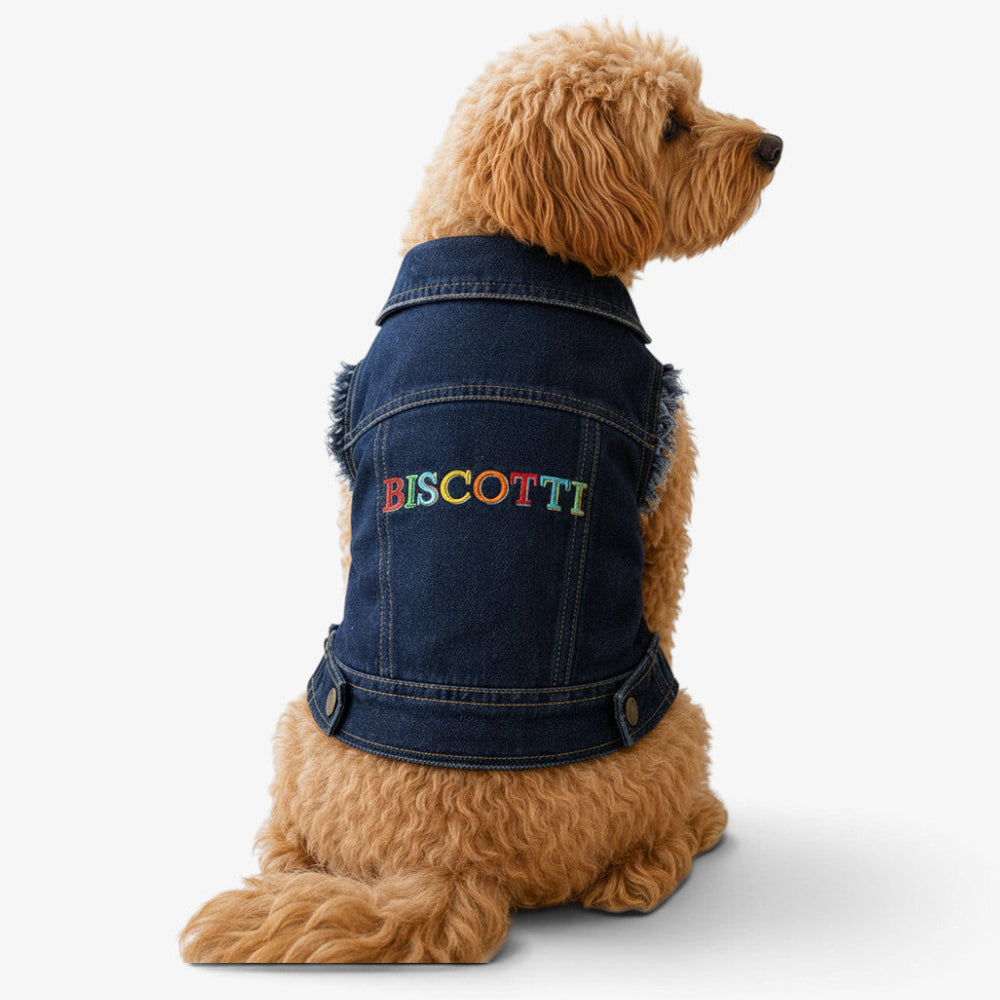
Embroidery uses coloured thread stitched directly into the garment. The result is textured, professional and particularly popular for polos, fleeces, softshell jackets, hats and chest logos.
Artwork must first be digitised into stitch instructions. Fine gradients and photographic detail cannot be reproduced in the same way as a print, so some logos need simplifying.
What is DTF printing?
Direct to Film printing transfers a printed design onto the garment using heat and pressure. It can reproduce full colour, gradients, small details and complex artwork. Learn more in our DTF gang sheet guide.
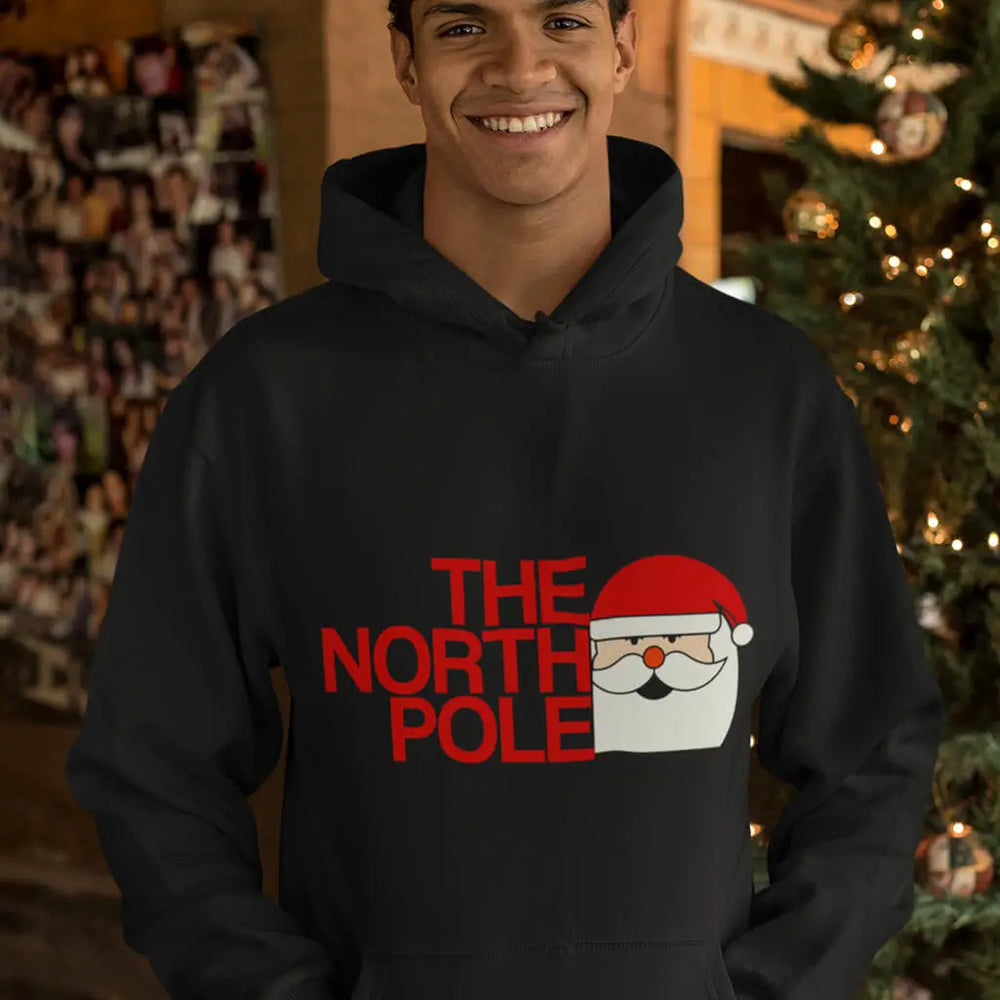
DTF is frequently used for T-shirts, sweatshirts, hoodies, large back designs and colourful branding. The artwork should be prepared at a suitable resolution; follow our artwork preparation checklist.
Appearance and brand style
Embroidery gives a raised, traditional finish that often feels premium on uniforms and outerwear. It works especially well for simple company marks and text.
DTF gives a smooth printed finish and allows far more colour and detail. It is a better match for illustrations, gradients, distressed graphics and designs where an embroidered version would become too dense.
Detail and colour
| Requirement | Embroidery | DTF printing |
|---|---|---|
| Simple logo | Excellent | Excellent |
| Photographic artwork | Not suitable for true photographic reproduction | Well suited |
| Very small text | May need thickening or enlarging | Can retain fine detail, within practical print limits |
| Gradients | Approximated with thread, if practical | Can be printed directly |
| Metallic or textured effect | Specialist threads may provide texture | Normally a flat printed finish |
Durability
Quality embroidery is highly durable because the thread is stitched into the fabric. It is well suited to workwear that receives regular use, although abrasive environments can still snag exposed stitches.
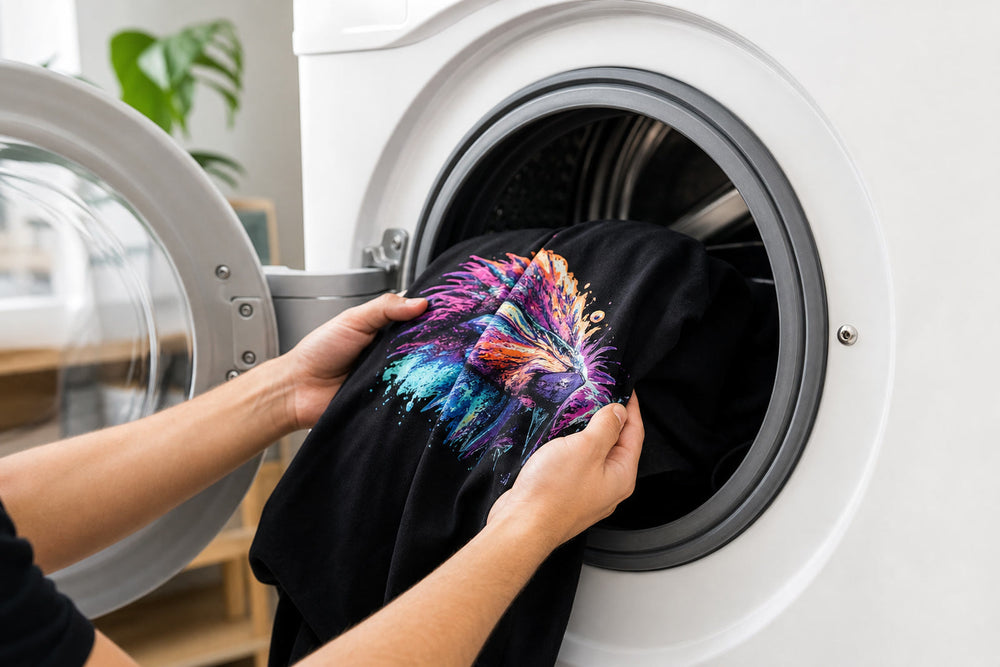
A correctly applied DTF transfer can also last well. Its lifespan depends on correct pressure, temperature, fabric compatibility and washing. Follow our guide to washing printed and embroidered clothing.
Garment compatibility
Embroidery adds stitches and backing to the material. This can be unsuitable for very lightweight or stretchy fabric because it may pull or distort the garment. It is often ideal for stable polos, fleeces, jackets and caps.
DTF works across many cotton, polyester and blended garments when tested correctly. It is particularly useful where the fabric is too light for dense embroidery or where a large design is required.
Logo size and placement
A small left-chest logo is a classic embroidery application. A large embroidered back design can become heavy, stiff and expensive, making DTF the more practical option. Sleeve and hood positions require additional checks for seams and garment construction.
See our complete workwear logo placement guide for chest, back, sleeve and hood advice.
Cost considerations
Embroidery pricing is influenced by stitch count, design complexity and size. DTF pricing is more closely linked to the printed area and transfer size. A simple compact logo may be economical in either method, whereas a large detailed design will normally favour DTF.
A useful combined approach
Many strong uniforms use both methods: an embroidered chest logo for a premium front appearance and a large DTF back print for visibility. The two finishes can complement each other when colour and placement are planned consistently.
Frequently asked questions
Is embroidery more professional than printing?
Embroidery has a traditional premium appearance, but a clean, correctly positioned DTF print can look equally professional. Suitability matters more than the method alone.
Which is better for a large back logo?
DTF is usually the practical choice because it avoids the weight, stiffness and high stitch count of very large embroidery.
Can every logo be embroidered?
Most logos can be adapted, but very fine detail, gradients and tiny lettering may need simplifying or enlarging.